Violence As Last Resort In Dharmic Faiths: Ethics Of War, Ahimsa, And Moral Limits
· Free Press Journal
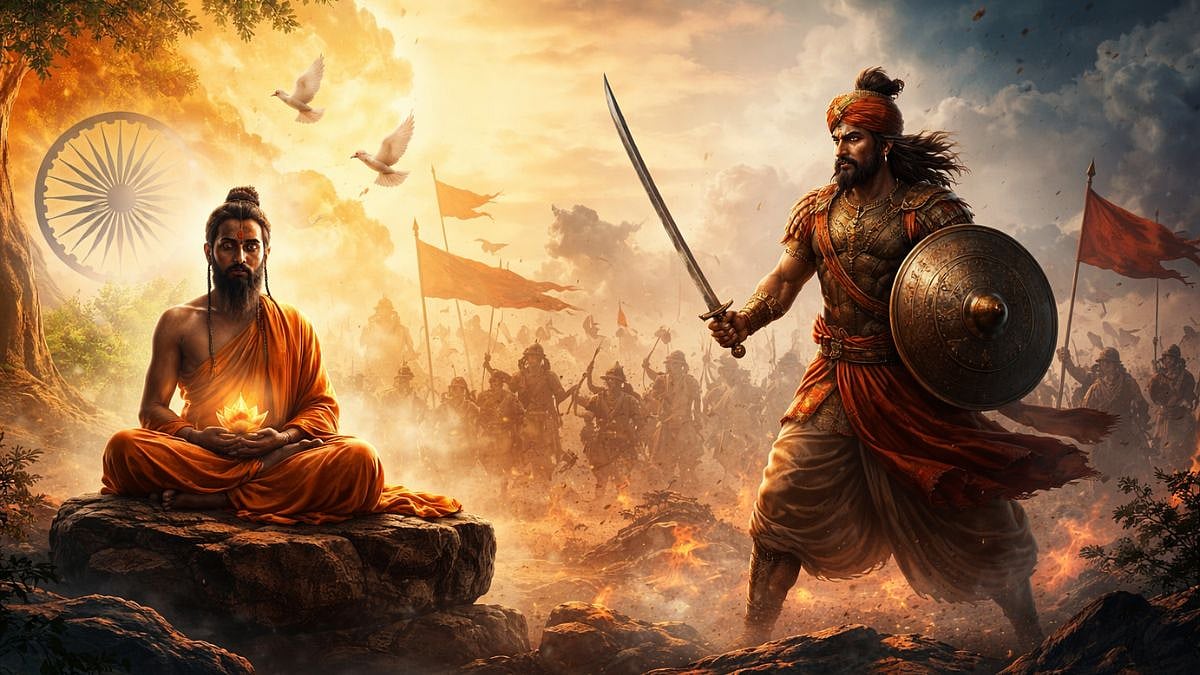
What answer would you get if you asked a spiritual teacher — not merely religious but genuinely spiritual — whether violence and war are ever permitted? Religions like Jainism and Buddhism might offer a clear no. Yet Jain kings ruled kingdoms and maintained armies, and many Buddhist traditions trained in martial arts. Ask a Hindu spiritual master, and the answer is more nuanced.
Ahimsa and its limits
Visit michezonews.co.za for more information.
Though we deeply value Ahimsa as a core value, we recognize it cannot be absolute. In the protection of universal good of dharma — of people, of the country, violence may become the last resort. But it must always remain the last resort, never the first choice.
Conditions governing the use of violence
Once that threshold is crossed and one is ready to use violence, there are further conditions. Violence must be directed only against the perpetrators of unethical violence or against armed combatants. Collateral damage must be kept to the absolute minimum. In ancient India, warfare was highly regulated — governed by codes of conduct specifically designed to protect the civilian population.
One cannot, of course, deny that some collateral damage always occurs. For every soldier who falls on the battlefield, at least two families suffer grief and loss: the family he or she was born into, and the family married into.
Ethical framework in modern warfare
In today's world, the Geneva Convention is meant to serve this same function — ensuring minimum collateral harm and upholding ethical discipline even within the act of war. That ethical framework has a spiritual basis.
Distinction between war and genocide
When a country or coalition of countries declares that another nation has no right to exist, that is not war — that is genocide, wholly outside the bounds of the Geneva Convention.
When a country declares it will erase a civilization, that too is genocide, not an act of war. Soldiers and leaders, civilian or military, who command such actions must be held to the highest ethical and moral standard.
Moral consequences of unchecked violence
Without that, we are no different from criminals and thugs. The act of war ceases to be something that can be respected or accepted. It becomes, simply, genocide.
(The writer is the founder of Aarsha Vidya Foundation. You can write to him at [email protected])