Court halts Eskom’s cut-off or take-over ultimatum to municipality
· Citizen
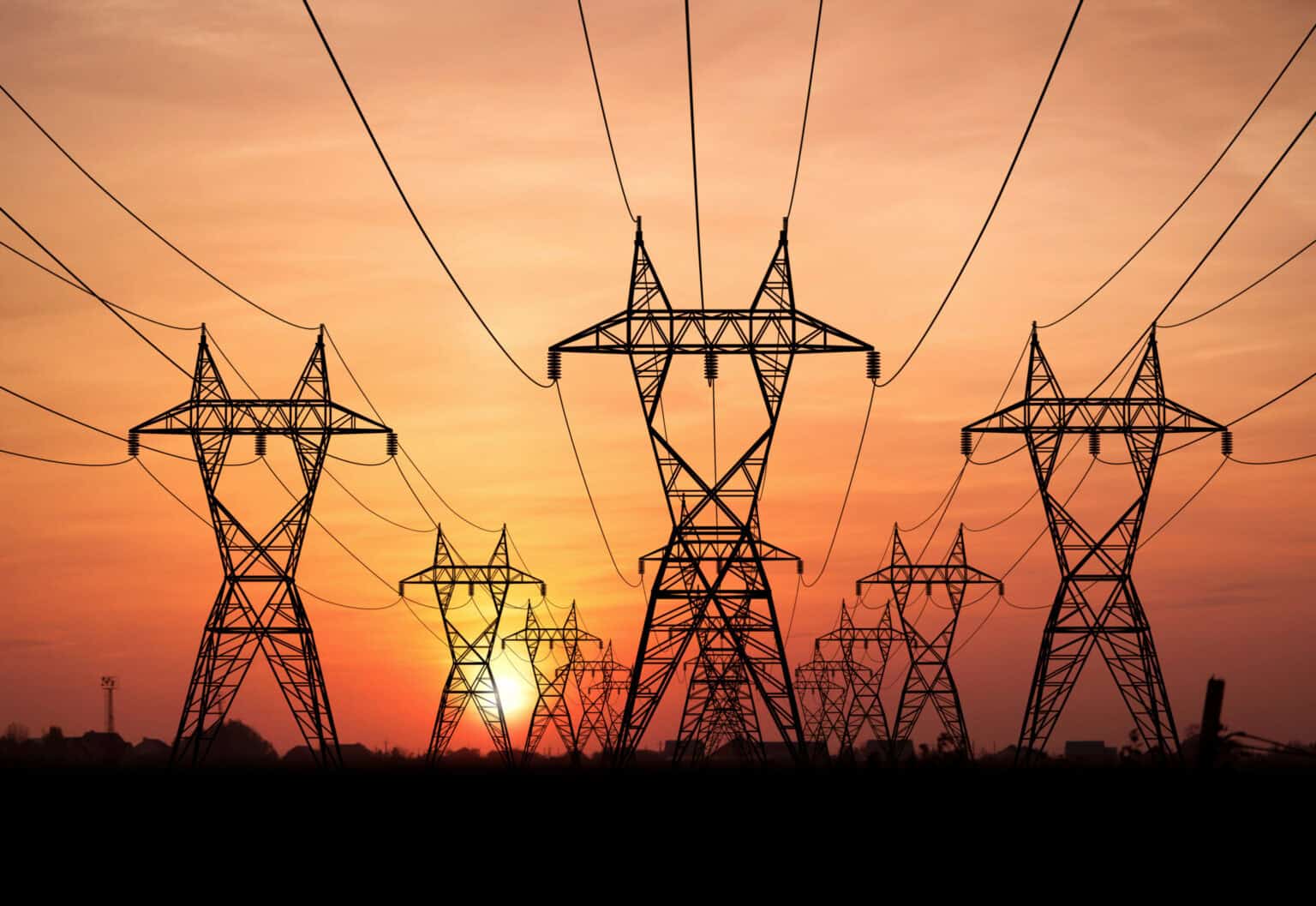
The High Court in Makhanda this week ordered Eskom to continue supplying electricity to the towns of Willowmore, Steytlerville and Jansenville pending the determination of a court challenge to the utility’s ultimatum to their municipality.
One of the considerations was that Eskom, according to the court, “appears to have dismissed, or merely paid lip service” to the statutory requirements for the Distribution Agency Agreement (DAA) it wants the Dr Beyers Naudé Local Municipality, which distributes electricity to the towns, to sign.
Visit somethingsdifferent.biz for more information.
The three towns are situated within the municipality’s jurisdiction, which is based in Graaff-Reinet and owes Eskom more than R900 million in arrears.
It is among the 14 municipalities that Eskom notified early in March that it may cut off their electricity supply following an administrative process. In the case of Dr Beyers Naudé, Eskom specifically said it will cut electricity supply to the three towns, unless the municipality chooses one of three options:
- Notify National Treasury of its intention to enter a DAA with Eskom;
- Convert its bulk supply to prepaid and only get the electricity it pays for; or
- Allow its customers to pay Eskom directly.
The municipality has asked the court to review Eskom’s decision and set it aside. This will be heard at a later date.
Eskom, on the other hand, brought a counter-application to compel the municipality to pay its current account and to ringfence its electricity revenue. The counter application was scrapped from the roll.
Multi-year dispute
The municipality has for years disputed the correctness of Eskom’s bill, and the two parties were in litigation before, but the matter was, according to the municipality, never properly resolved.
Against this background, Dr Beyers Naudé entered Treasury’s debt relief programme but consistently underpaid Eskom’s bill.
In November last year, Eskom proposed a DAA, under which the power utility would be appointed to run the municipality’s electricity function on its behalf. Municipal customers would then pay Eskom directly.
Treasury also put pressure on the municipality to enter into a DAA and gave it until 27 March to do so or face being kicked out of its debt relief programme.
That would entitle Eskom to proceed with credit control, which could include supply restrictions and even attaching the municipal bank account.
According to the court, Treasury gave the municipality until 1 September to follow the legally prescribed steps for outsourcing a municipal function, should it decide to proceed with a DAA.
The DAA would comprise standard terms approved by Treasury and other parties. The municipality has not yet seen this standard agreement.
The municipality responded that it cannot approve a DAA by 27 March, as it hasn’t seen it, and unless it follows the legally prescribed process, which also requires consent from the national energy regulator, Nersa.
It requested a reasonable opportunity to comply, to see the draft DAA, and for Eskom to withdraw the public notice of its intention to cut supply to the three towns.
The council did meet two days before the 27 March Treasury deadline and resolved to:
- Seek legal advice before embarking on further steps;
- Continue participation in the Treasury debt relief programme while engaging in negotiations regarding the proposed DAA;
- Prepare and submit a financial recovery and repayment plan to Treasury regarding the Eskom debt;
- Start the legally prescribed process that may lead to the conclusion of a DAA;
- Engage Eskom, Treasury, the Department of Cooperative Governance and Traditional Affairs (Cogta) and the Deputy Minister of Electricity and Energy, Samantha Graham-Maree, to set out its financial position for the purpose of a coordinated government intervention.
Eskom refused to withdraw its notice immediately, and the municipality declared a formal intergovernmental dispute. Subsequently, Eskom indicated that it would nevertheless start interrupting supply to the three towns from 8 May.
Municipality ‘not entitled to free electricity’
The municipality approached the court and stated that a supply interruption would affect water supply and sanitation in the three towns, with catastrophic effects.
Eskom argued that the municipality had consistently failed to adhere to a previous court order to pay its current account and pointed out that it is not entitled to free electricity.
It stated that the municipality only paid R55 million of a R588 million bill over three years and accused it of collecting electricity revenue from customers but using it for salaries and payments to other creditors, rather than paying Eskom for its bulk supply.
The utility told the court it had several meetings with the municipality, the latest in November last year. It stated that the terms of the DAA “had not been disclosed because they remained subject to negotiation”.
The municipality, in response, said it was simply unable to meet all its financial obligations with the revenue it raised from its mostly rural and indigent communities and its equitable share from the government.
It stated that this reality had to be addressed through arbitration involving Cogta and Nersa.
‘Unjustifiable discrimination’
The court was swayed by the municipality’s argument that the impact on the residents of the three towns would be catastrophic, and singling out the three towns for cutting supply could result in unjustifiable discrimination.
Such discrimination is only allowed if it is justifiable and with Nersa’s approval, which has not been obtained.
Regarding the DAA, Eskom “appears to have dismissed, or merely paid lip service” to extensive requirements stipulated in the Municipal Systems Act and the Electricity Regulation Act, according to the court.
The court further clarified that “as a distinct sphere of government”, the municipality was “entitled – if not statutorily obligated – to seek legal advice and follow the legally prescribed procedure before reaching a decision about the possible conclusion of a DAA”.
The court also criticised Treasury, Cogta and Nersa, all respondents in the matter, for failing to participate in the proceedings. Their absence, it stated, “deprived the court of what could have been useful insights in how best to adjudicate a dispute with far-reaching consequences.”
The court agreed with the municipality that cutting off electricity to the three towns would have catastrophic effects on residents due to spillover impacts on water supply and sanitation.
This article was republished from Moneyweb. Read the original here.