Household items South Africans should think twice about buying cheaply
· Citizen
As South African households look for ways to cut costs, choosing the cheapest option isn’t always the best way to save money. While bargains can help stretch a tight budget, some household items can cost more in the long run if they break easily, need frequent replacement, or pose safety risks.
Visit michezonews.co.za for more information.
Renier Botha, a finance expert at payday loan company Southern Finance, says the cheapest purchase price doesn’t always mean the lowest overall cost.
“When money is tight, it is natural to look for the lowest price, but there are certain items where paying slightly more upfront can protect your budget in the long term. A product that fails after a few months can end up costing you more than investing in a better-quality option that lasts for years.”
Extension leads and power accessories
With load reduction continuing to affect South African households, extension leads, multi-plugs and power accessories have become everyday essentials for many families.
However, he warns that choosing the cheapest option could create unnecessary risks.
“Extension leads are carrying electricity to valuable appliances, so quality matters. A cheaper product that overheats, fails or cannot safely handle the required power could put both your appliances and your home at risk.”
Households should choose reputable brands, avoid overloading extension leads, and check that products meet South African safety standards.
Batteries
From remote controls and torches to smoke alarms and household gadgets, batteries are easy to buy in bulk. However, cheaper options may not always offer the same lifespan.
“Buying a cheaper battery that runs out much faster can mean you are replacing them more often. Over time, those small purchases add up,” says Botha.
“For items that are used regularly, investing in rechargeable batteries can sometimes reduce repeat costs.”
Light bulbs
He notes that LED bulbs are often more expensive to buy than traditional alternatives, but they generally use less electricity and last significantly longer.
“An LED bulb may cost more on the shelf, but the real cost is what you pay over the lifetime of the product.
“With electricity prices putting pressure on households, choosing energy-efficient products can help reduce ongoing expenses.”
Kitchen appliances
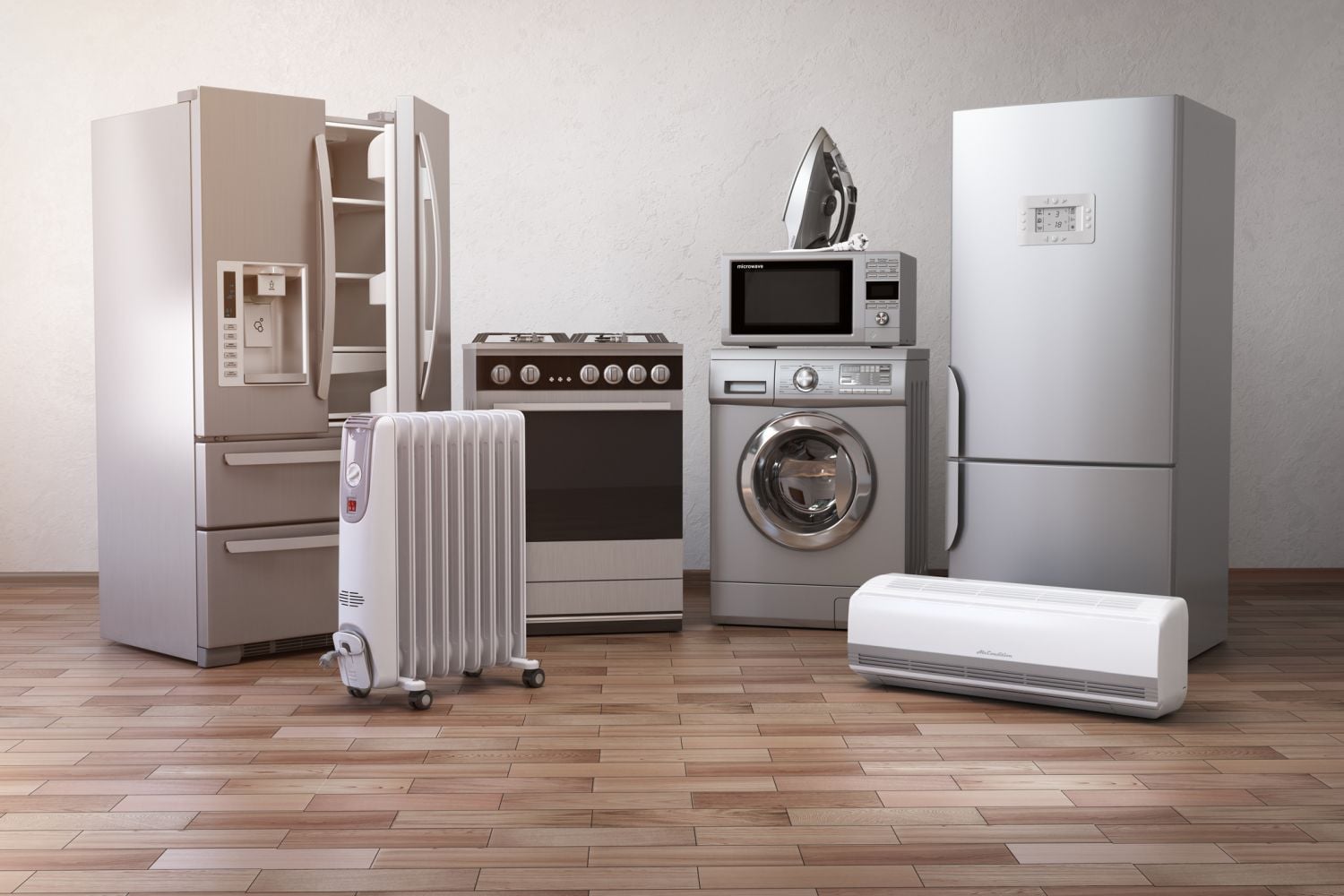
From kettles and microwaves to fridges and washing machines, household appliances are major purchases, so replacing a failed item can create a significant financial setback.
“A cheap appliance that breaks shortly after the warranty period can leave you paying twice: once for the original purchase and again for a replacement,” adds Botha.
South Africans should consider:
- Energy efficiency ratings
- Warranty periods
- Availability of replacement parts
- Repair costs before buying
Mattresses
A mattress is often seen as an area where people can save money, but Renier says quality matters for items used every day.
“A mattress is something you spend thousands of hours on. Choosing purely based on price can mean replacing it sooner or compromising on comfort and support.”
While higher-priced items don’t always mean better, shoppers should consider durability, materials, and warranty periods.
The smarter way to save money
Renier says saving money is not always about spending less upfront, but about making purchases that offer better value over time.
“Being financially responsible does not mean always buying the cheapest option. It means thinking about the total cost of ownership.”
“Before buying something, ask yourself: will this last, will it cost more to repair, and could paying slightly more now prevent a bigger expense later?”