India's Currency In Circulation Growth Hits 5-Year High At 13.5%
· Free Press Journal
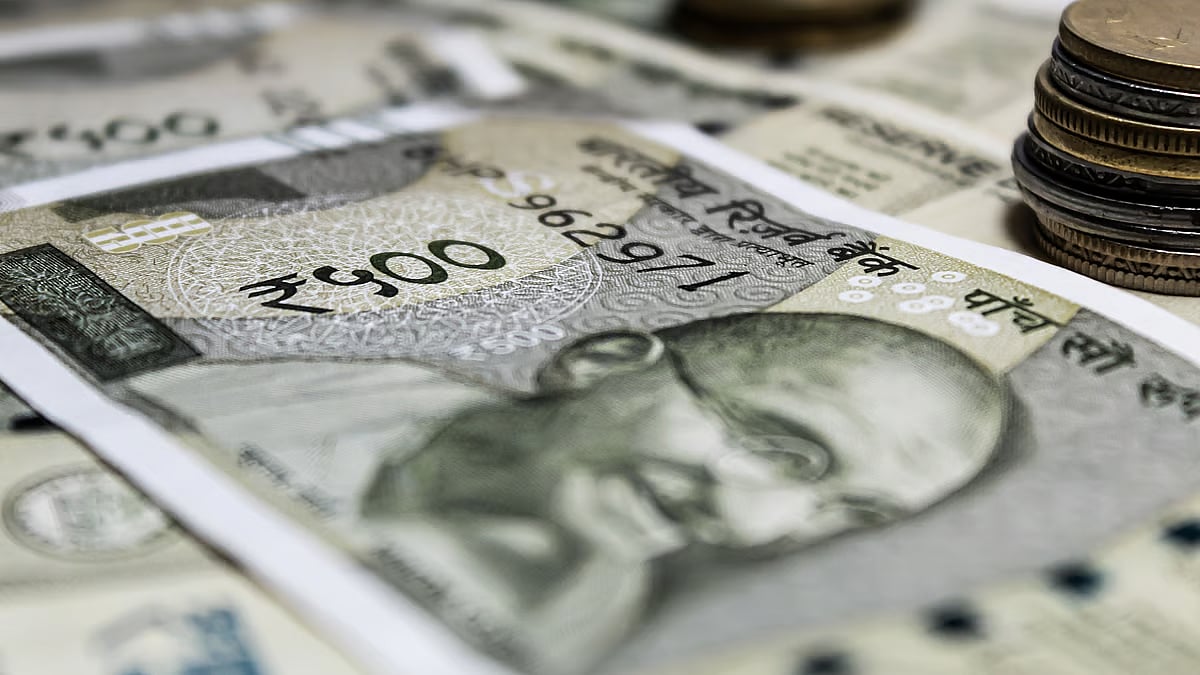
India's currency in circulation (CiC) recorded its fastest growth in five years, supported by foreign currency deposit inflows and liquidity injections, according to the Reserve Bank of India's (RBI) State of the Economy report.
As per a Business Standard report, latest data showed CiC rising 13.5% year-on-year to ₹43.46 trillion on Oct 15, while reserve money increased 10.3% to ₹53.24 trillion.
Visit betsport.cv for more information.
The RBI staff report said currency growth had reached a five-year high by Sept 30, when it stood at 13.3%.
Government Clears Polymer Currency Trial, ₹10 And ₹20 Notes To Circulate Alongside Paper MoneyFCNR(B) Deposits, RBI Liquidity Measures Support Growth
The increase in reserve money reflects liquidity infused by the RBI since the financial year 2025-26, after adjusting for changes in the cash reserve ratio (CRR).
On June 8, the central bank introduced a special dollar-rupee foreign exchange swap facility covering Foreign Currency Non-Resident (Bank), or FCNR(B), deposits and certain overseas borrowings.
Banks reportedly mobilised $133 billion in FCNR(B) deposits by Aug 31, when the facility closed.
The report said India's economy remained resilient despite global uncertainties, supported by strong macroeconomic fundamentals, policy measures and improving high-frequency indicators.
It noted that domestic demand and services continued to support gross domestic product (GDP) growth despite India's dependence on imported energy.
The RBI also highlighted regulatory measures aimed at curbing speculative activity in the foreign exchange market. External sector conditions improved, supported by foreign investment, overseas borrowing and remittance inflows.
The report said strong exports helped narrow the trade deficit in September. However, retail inflation had gradually increased and spread across more commodity categories, potentially requiring an appropriate monetary policy response.
The RBI report indicated that foreign currency inflows strengthened reserves, while policymakers continued monitoring liquidity, inflation and external risks.