Warnings About ICE at the Polls Risk Their Own Kind of Voter Suppression
· The Intercept
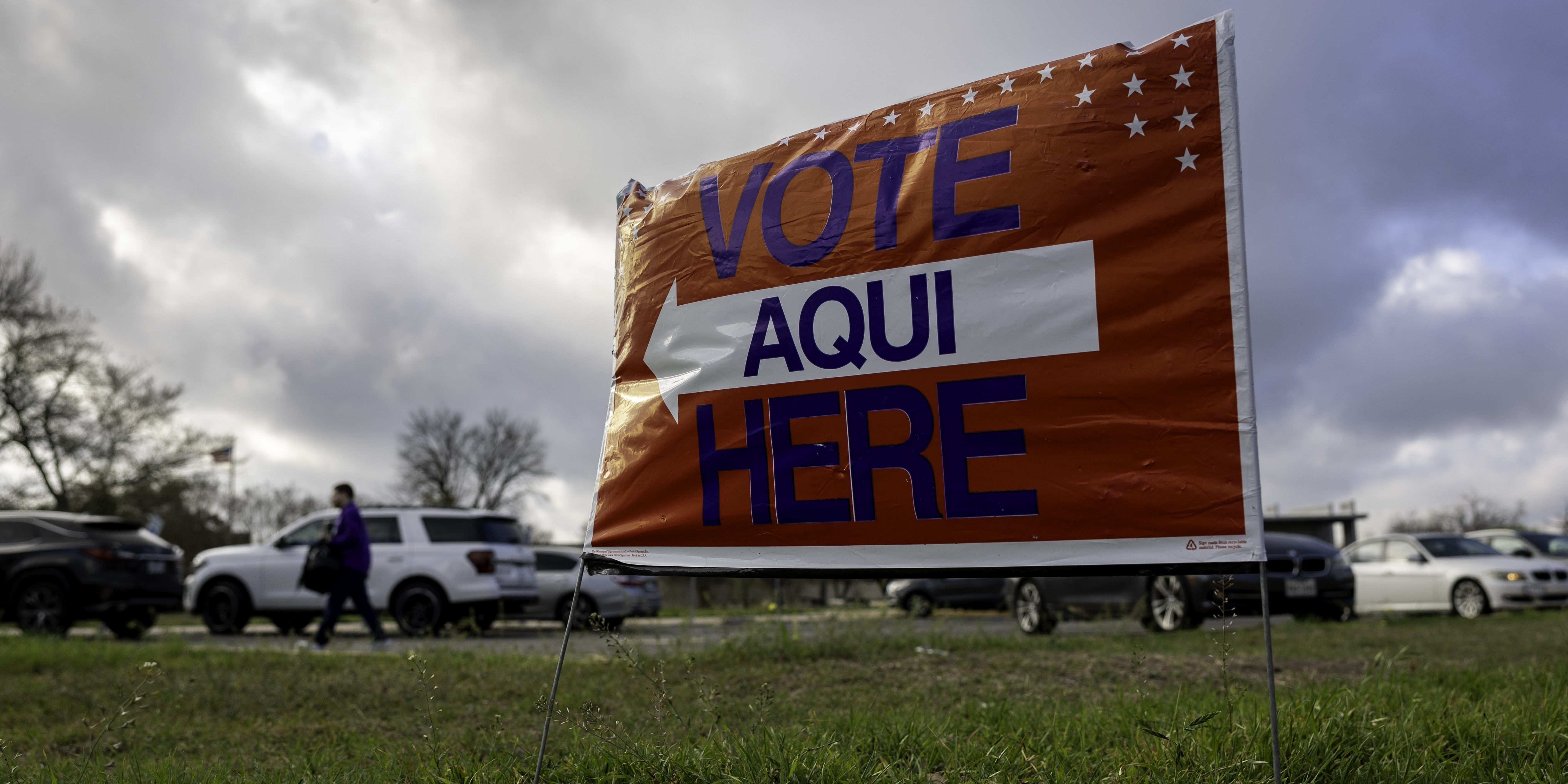
Anxiety over ICE at the polls is a double-edged sword for the Trump administration: There’s the fear that federal immigration agents will illegally descend on voters, and there’s the threat that by boosting awareness of that fear, activists and journalists will help the federal government carry out the work of voter intimidation.
Visit bettingx.bond for more information.
“Even just rumors of [ICE at the polls] are going to spread fear. That’s not what we want,” said Daniela Padilla, deputy director at Texas for All, a statewide coalition of organizations working on democracy and justice issues. “Even your reporting around, ‘We’re watching for ICE at the polls’ — it could scare voters.”
“The biggest threat that we face in Texas this year is voter suppression.”
In Texas, a 40 percent Latino state where a longtime Republican grip on power now finds itself in question, there are real concerns that Immigrations and Customs Enforcement agents could pop up in targeted communities to make people afraid to go out and vote on Tuesday. But while the possibility of election interference has been discussed as one of several “big ticket items” of this year’s midterms, Padilla said, “the biggest threat that we face in Texas this year is voter suppression.”
That suppression can take many forms. In Tarrant County, for example, where local officials closed 92 polling locations, reports from early voting indicated some election officials wrongly turned away eligible voters. More than fearing ICE would actually approach the polls, Padilla and several organizers working on election integrity and voting rights in Texas told The Intercept they were worried that journalists amplifying the Trump administration’s stated plans to “surround the polls” with ICE and federal agents could function as an inadvertent form of voter suppression.
Related
Trump Vows to Send Election “Monitors” to Maine After Far-Right Conspiracies Spread
Federal and state law prohibits federal immigration agents from being inside polling sites and bar any form of voter intimidation. Those laws haven’t stopped the Trump administration and its allies from threatening to deploy ICE and military personnel around the country during elections. In August, the Department of Justice announced that it planned to send at least 1,000 federal monitors to oversee midterm voting, prompting multiple states to assert they would not let them inside polling locations. As states like Maine prepared to respond to the federal presence at the polls, the DOJ claimed to Newsweek it “never said” it would send federal law enforcement to the polls.
“The Trump administration has been spreading fear for months, refusing to say that they will not send ICE to the polls,” said Emily French, policy director at Common Cause Texas. “I think that the main function of this discussion around ICE at the polls from the Trump administration is scaring people into staying home on Election Day.”
According to Brianna Brown, executive director of the Texas Organizing Project, disinformation efforts are a common voter-suppression tactic in Texas. “So we’re trying to reassure people it’s safe to vote,” she said.
Texas is home to one of the most dramatic potential Senate upsets in the country, with Democratic state Rep. James Talarico leading in the polls over the state’s scandal-plagued Republican attorney general Ken Paxton in a race that could see Texas end up with a Democratic senator for the first time since the ’90s. And the 32 million-person state has enough voter suppression strategies even without ICE in the picture, Brown said, pointing to a 2021 bill that banned drive-through voting, weakened protections for disabled voters, and gave more power to poll watchers appointed on behalf of a candidate or political party.
“Texas is just like a perfect storm,” Brown said.
When ICE showed up at a polling site in San Antonio in May — marking the first known case of ICE at the polls in the country during this year’s primaries — the county sheriff kicked the agents out. Even then, it did not appear that the federal agents were targeting someone in the process of voting; they had arrived at the scene shortly after state police, with whom they work closely, pulled someone over in the polling site’s parking lot.
That day, staff at the Texas Organizing Project and a group of civil and voting rights organizations working as part of the Texas Election Protection coalition helped coordinate outreach to the local sheriff to get ICE removed from the site.
The state coalition is part of a nationwide effort to protect this year’s elections from interference — federal or otherwise. In Texas, the Lawyers’ Committee and several other groups including the Barbara Jordan Leadership Institute, Common Cause Texas, and the Texas Civil Rights Project have been training people to help make sure voters know their rights on Election Day and that they report any instances of voter intimidation — whether an eligible voter is wrongly turned away or someone spots ICE — to a national hotline.
“We want to inform people, but we don’t want to scare them from coming to the polls,” said Khanay Turner-Osborne, executive director of the Barber Jordan Leadership Institute. She said she hasn’t heard much concern about ICE showing up around polling sites in Tarrant County, where she’s based and where people can vote at any polling site in the county. But still, for voters in hotspots of ICE activity and other forms of voter suppression, the group has told them to consider voting at a different eligible site, she said.
The group wants to help people prepare, Turner-Osborne said. “But I don’t want it to be in a way that deters people from voting.”
The post Warnings About ICE at the Polls Risk Their Own Kind of Voter Suppression appeared first on The Intercept.