Maharashtra Wage Rules 2026: Govt Introduces 8-Hour Workday, Double Overtime Pay, Weekly Rest And 50% Salary Deduction Limit
· Free Press Journal
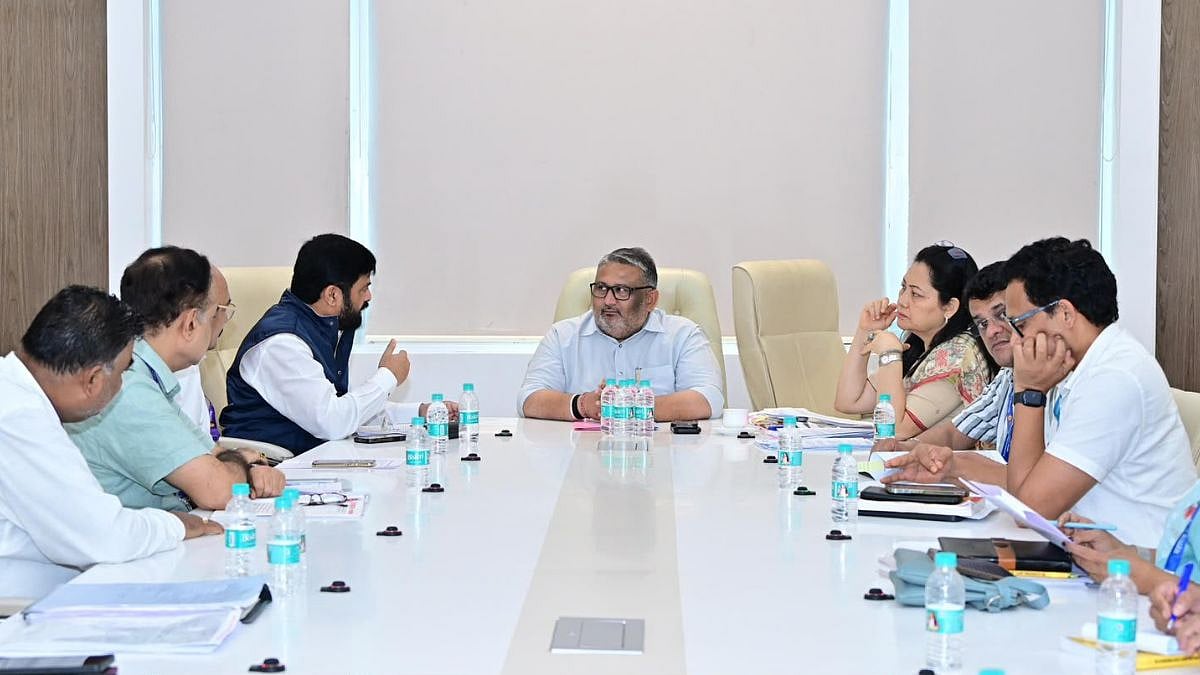
Mumbai: In a significant move to strengthen workers' wage protection, the Maharashtra government has notified the Maharashtra Wage Rules, 2026, introducing uniform provisions governing minimum wage calculations, working hours, weekly holidays, overtime payments and wage deductions across establishments covered under the Code on Wages.
Maharashtra Wage Rules 2026 Come Into Effect From November 5
The rules came into force across the state following their publication in the Maharashtra Government Gazette on November 5, 2026. Labour Minister Akash Fundkar said the new framework would provide greater clarity and protection to employees by standardising wage-related procedures.
Visit somethingsdifferent.biz for more information.
The state government has superseded the Maharashtra Minimum Wages Rules, 1963, and the Maharashtra Payment of Wages Rules, 1963, with the new rules framed under the Code on Wages, 2019. However, these provisions will not apply to the determination of minimum wages of state government employees.
Basic Pay, DA And Retaining Allowance Included In Wage Calculation
Under the new framework, wages will include basic pay, dearness allowance and retaining allowance. If allowances and other excluded components exceed 50% of an employee's total remuneration, the excess amount will be added back to wages. This will provide a clearer basis for calculating statutory benefits, including gratuity.
The government will determine minimum wage rates on a daily basis. The hourly rate will be calculated by dividing the daily wage by eight, while the monthly rate will be arrived at by multiplying the daily wage by 26. Workers will be classified into four categories — highly skilled, skilled, semi-skilled and unskilled — depending on the nature of their work.
Dearness Allowance To Be Revised Twice Every Year
The rules provide for revision of variable dearness allowance twice a year, based on the average Consumer Price Index for Industrial Workers published by the Labour Bureau of India. The revisions will be calculated before April 1 and October 1 every year.
A normal working day for daily-rated employees will comprise eight hours, while working hours for employees under other wage periods cannot exceed 48 hours a week. Employers must provide weekly rest to every employee. If a worker is required to work on a weekly rest day, compensatory rest must be provided.
Employees Entitled To Double Overtime Wages For Weekly Rest Day Work
The rules also strengthen overtime provisions. Employees working on weekly rest days must receive overtime wages at not less than twice their normal wage rate. Similar provisions will apply to piece-rate workers, who will also be entitled to compensatory rest.
In another important safeguard, total deductions from an employee's wages during a single wage period cannot exceed 50%. Any excess amount must be recovered in instalments during subsequent wage periods. Before imposing deductions as penalties or compensation for losses, employers must issue a written or electronic show-cause notice and give employees an opportunity to explain their position.
BEST Bus Catches Fire Near Sassoon Dock After Sparks Emerge From Starter; Vehicle Badly Damaged, Passenger Escapes UnhurtEmployers will also be required to maintain employee registers, wage and overtime registers, and attendance records in physical or electronic form. These records must be preserved for five years from the date of the last entry. Wage slips must be provided to employees on or before the designated wage payment day.
The rules also provide for nomination by employees to receive unpaid dues. If an amount cannot be paid to the nominee within three months due to the employee's death or whereabouts being unknown, the employer must deposit it with the concerned Assistant Labour Commissioner. In cases where the amount remains undistributed for six months due to the absence of a nominee or other reasons, it must be deposited with the authority within the following 15 days.
Employees, registered trade unions and Inspectors-cum-Facilitators can jointly or individually file claims before the notified authority, either physically or electronically, concerning unpaid wages, weekly rest remuneration, overtime, unlawful deductions, minimum bonus and gender-based wage discrimination.
To get details on exclusive and budget-friendly property deals in Mumbai & surrounding regions, do visit: https://budgetproperties.in/