Supreme Court upholds Quebec's Bill 21 religious symbols ban
· Toronto Sun
See more Toronto Sun on Google — save as a Preferred Source
Visit catcrossgame.com for more information.
OTTAWA — Quebec’s policy banning religious symbols for public servants has been upheld.
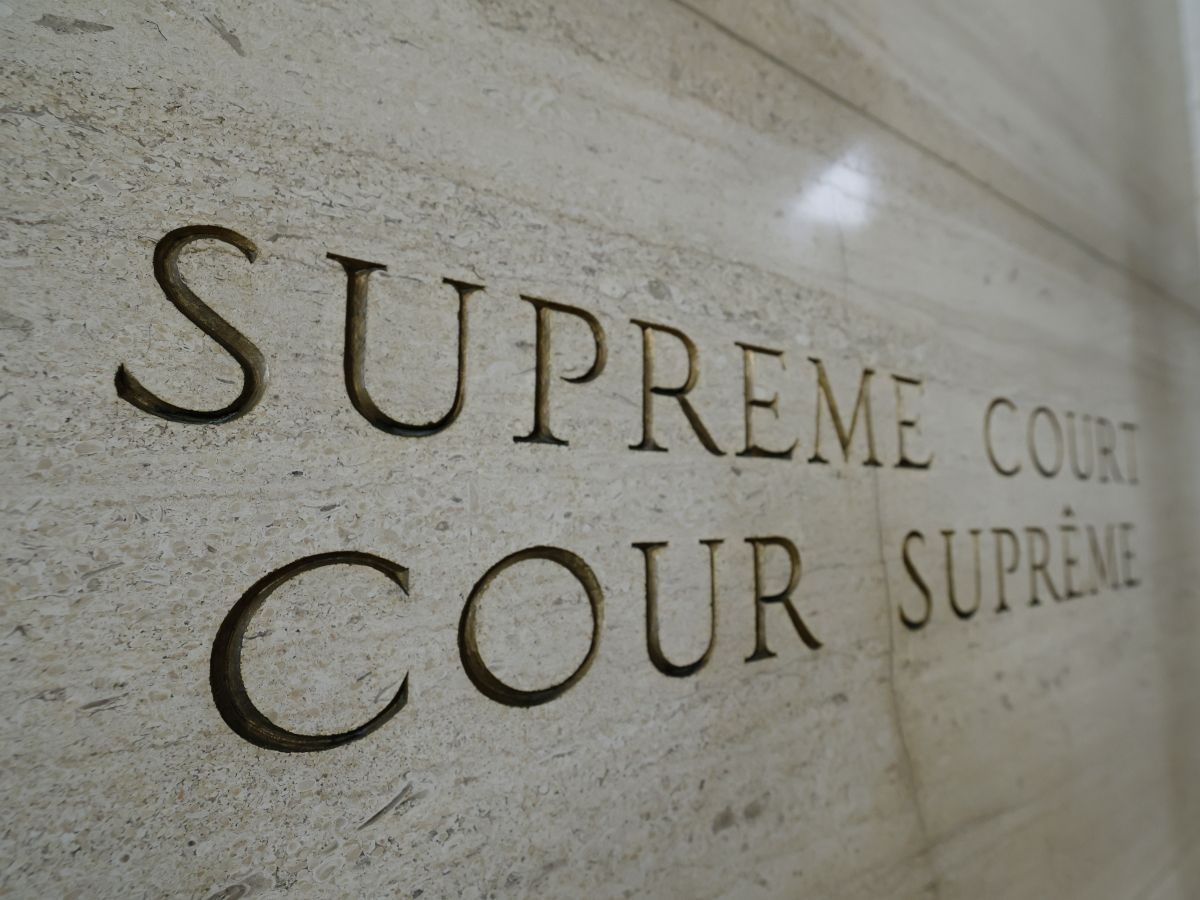
In a decision released on Friday , the Supreme Court of Canada largely upheld the province’s contentious law and declined to erect new limits on the Constitution’s notwithstanding clause.
The decision, which saw Canada’s highest court dismiss appeals as well as Quebec’s cross-appeal, upheld most of Quebec’s Bill 21 — An Act respecting the laicity of the State — except for provisions banning face coverings for members of the National Assembly, which the court found unconstitutional.
The law survived by a single vote — three of the court’s seven judges said they would’ve struck down Bill 21’s core provisions under the Charter’s guarantee of equality between the sexes, which they argued is beyond the scope of the notwithstanding clause.
As it stands now, the result leaves teachers, judges and police officers in the province barred from wearing religious symbols such as hijabs, turbans, kippahs and crosses while on the job.
Chief Justice Richard Wagner, writing for three of the top court’s judges, ruled that the notwithstanding clause “imposes only formal requirements” on legislatures, while leaving courts no role in second-guessing its use.
Bill 21 has contentious history
Passed in June 2019, Bill 21 was the target of scrutiny and challenges almost immediately after it became law.
Challengers included civil liberties groups, organizations representing Muslims and Sikhs, a teachers’ union and the English Montreal School Board.
After surviving challenges in Quebec Superior Court and the Quebec Court of Appeal, Bill 21 was headed to the Supreme Court, which agreed to hear appeals in January 2025.
Section 33 of the Charter, also known as the notwithstanding clause, lets Parliament or provincial legislatures shield a law from court challenges over certain Charter rights.
This protection only lasts for five years until it needs to be renewed.
Setback for Ottawa
The decision is a marked setback for Ottawa, which had urged the Supreme Court to limit how the clause is used by provinces.
Four of the top court’s judges, however, ruled Canadian courts can still declare “shielded” laws in violation of the Charter — even though no such declaration was issued against Bill 21.
“This Court should not be silent when asked by claimants to acknowledge that the Act infringes their rights and freedoms,” Justices Andromache Karakatsanis and Michelle O’Bonsawin wrote in the decision.
More to come . . .