Bharat Clean Rivers Foundation Deploys Floating Barriers At Wadala Nullah To Stop 200 Tonnes Of Garbage Entering Arabian Sea Annually
· Free Press Journal
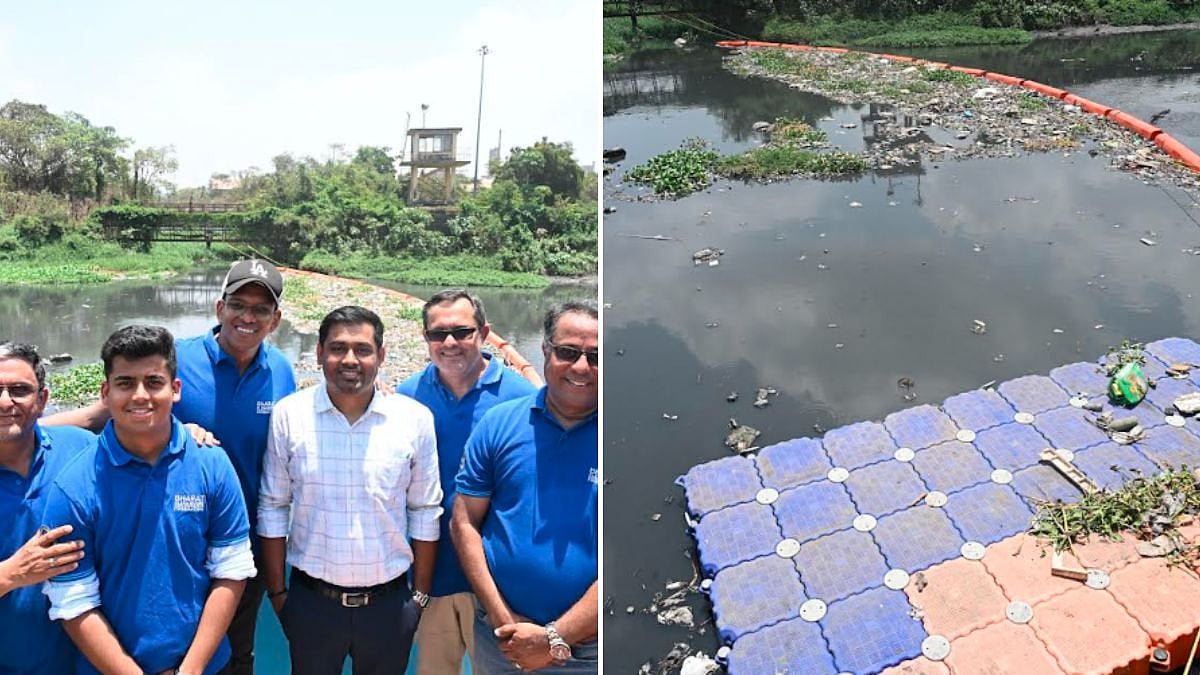
Mumbai: The Bharat Clean Rivers Foundation (BCRF) has deployed advanced floating barriers at the Bhakti Park nullah in Wadala in a significant boost to Mumbai’s marine conservation efforts. This strategic installation is projected to intercept approximately 200 tonnes of garbage annually, preventing it from entering the Arabian Sea.
Project part of data-driven mission with BMC
Visit moryak.biz for more information.
The initiative is part of a larger, data-driven mission, in collaboration with the Brihanmumbai Municipal Corporation (BMC), to shut the tap on plastic pollution flowing from the city’s dense network of inland waterways. An intensive research phase identified about 63 critical high-priority locations across Mumbai which act as the confluence points of city’s garbage flowing into the Arabian sea.
Until Mumbaikars are made to understand the importance of preventing garbage from entering rivers and nullahs, BCRF’s plan is to restrict it from flowing into the sea, where it becomes more difficult to remove. The initiative includes installation of floating barriers or trash booms to trap surface-level debris, including plastic bottles, bags, and thermocol, without disrupting the natural flow of water or harming aquatic life.
Barriers trap plastic bottles, bags and thermocol
The first phase of BCRF’s efforts was the inauguration of Project Bhakti Park or Mumbai-037 on Tuesday. Under the initiative, a floating waste collection barrier was installed in the nullah at Bhakti Park, where waste water and garbage from Kurla, Sion, Wadala and adjacent areas confluence before flowing into the Arabian Sea. According to the terms finalised, BCRF will regularly remove the garbage and monitor its flow while the BMC will ensure that the removed garbage is disposed off efficiently.
BCRF’s vice chairman Aashim Mongia said, “Imagine the Arabian Sea not throwing out any garbage during monsoon. It can become a reality in a few years if we stop letting the trash enter the sea in the first place. Project Bhakti Park is the first step to the long way we plan to go in collaboration with the civic body to ensure our commitment towards a healthy marine ecosystem.”
Six Panvel Highway Police Personnel Honoured With DGP Insignia On Maharashtra Day For Life-Saving Emergency ResponseBCRF removes garbage, BMC ensures disposal
The larger plan of installing such barriers at 63 points will be carried out in a phased manner by BCRF, the BMC and other NGOs individually. Once the 63 barriers are operational, they will prevent around 5,000 tonnes of garbage from entering the sea annually. According to sources, the BMC is in the process of tendering for similar floating waste collection barriers at around 17 locations in Mumbai. By keeping nullahs clear of floating debris, the barriers can also help maintain optimal water flow during the monsoon and reduce the risk of flooding.
While BCRF is focusing on expanding the project by installing barriers at more locations, it has also partnered with another NGO called Change Is Us (CIU), which is focusing on educating people about preventing waste from entering the waterways. It launched ‘The Clean Water Challenge’ in association with around 300 schools, where students are motivated to educate their families about the need for clean water and a garbage-free sea.
CIU’s founder Shubh Mehta said, “While the garbage will be successfully restricted from entering the sea, the cycle will not stop until people understand that they need to stop throwing their waste into nullahs and rivers. To make the latter part possible, we have been actively engaging with school students by organising competitions on relevant themes which can also educate their families about the problem.”
To get details on exclusive and budget-friendly property deals in Mumbai & surrounding regions, do visit: https://budgetproperties.in/