OPINION: VAR inconsistency is overshadowing the football at the World Cup
· Citizen
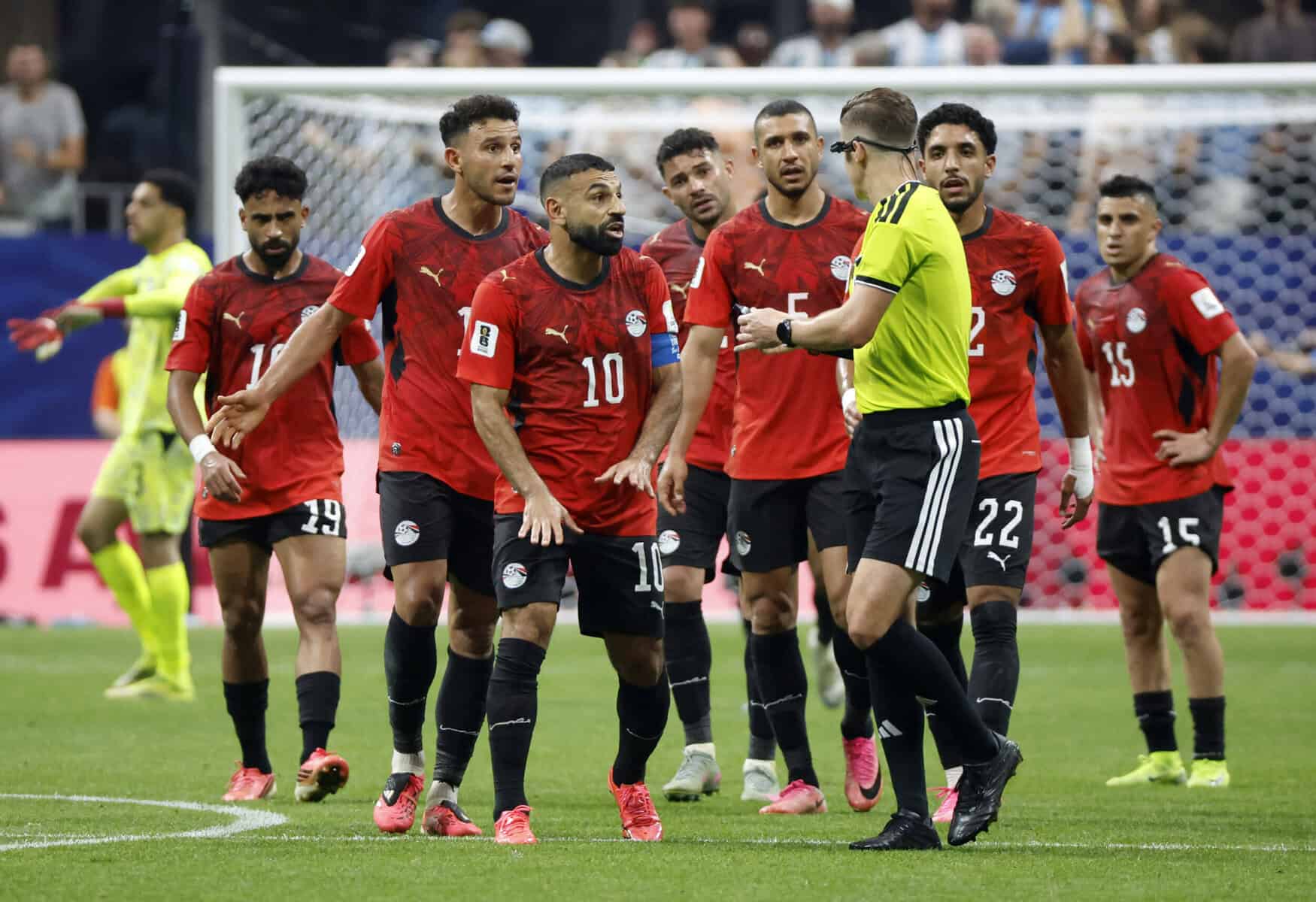
It would be unfair to suggest that the 2026 FIFA World Cup has been rigged in Argentina’s favour. However, former Chelsea winger Joe Cole made a valid point when he spoke about the subconscious bias that exists in football.
Visit sportbet.rodeo for more information.
Does VAR minimise mistakes?
Cole’s comments carry weight because they come from someone who has played the game at the highest level. Footballers know when they have benefited from a favourable decision.
While referees are only human, VAR was introduced to minimise mistakes through consistency. Instead, it has become one of the biggest talking points of the world cup.
The growing perception that bigger football nations receive preferential treatment is damaging the credibility of the competition. It undermines the principle of fair play and shifts the focus away from the football itself.
Had VAR been applied consistently throughout the tournament, there is every chance the last eight teams would look very different. For instance, take Egypt’s disallowed second goal against Argentina, what exactly was clear and obvious about the foul on Lisandro Martínez in the build-up to Mostafa Ziko’s strike?
The referee allowed play to continue because he did not believe a foul had been committed. It was certainly not the kind of obvious error that VAR was designed to correct. The technology was never intended to referee every physical challenge, yet it increasingly appears to intervene when the outcome benefits one of football’s traditional heavyweights.
Would Messi have had that ‘goal’ ruled out?
It is difficult to believe that the same goal would have been ruled out had Argentina been the team celebrating. If Ziko’s finish had come from Lionel Messi or another Argentine player, would VAR have recommended an on-field review? Many supporters would argue the answer is no.
The concern extends beyond that single incident. Alexis Mac Allister appeared to pull Hamdy Fathy to the ground by his shirt inside Argentina’s penalty area, yet neither the referee nor VAR deemed it worthy of a penalty. If that was not considered a clear and obvious error, then what is?
The inconsistency becomes even more frustrating when star players appear to receive greater protection. Had Messi or Cristiano Ronaldo been pulled down in the same manner, few would not have been surprised to see a penalty awarded.
Messi also escaped what many believed should have been a red card against Algeria after a reckless stamp on captain Aïssa Mandi’s calf, but once again, VAR remained officials didn’r get involved.
This is not an argument against Messi or Argentina, nor is it an attempt to diminish their quality. It is about ensuring that every nation, regardless of reputation or history, is judged by the same standard.
VAR remains a valuable tool when applied correctly, but selective intervention only strengthens the belief that football’s biggest names receive the benefit of the doubt.
If that perception continues to grow, this World Cup risks being remembered for the officiating controversy rather than the football itself.